Tree Felling in Observatory
From Victorian freehold homes to student rental gardens off Lower Main Road, our Obz team plans every removal with safety in mind.
Same-day assessments
1,200+ jobs completed
Wind-exposure aware
Observatory Tree Felling
Lesley Tree Fellers provides professional tree felling in Observatory for homeowners, landlords, and body corporates across the suburb. Obz is a mix of Victorian freehold properties, student rental homes, and apartment complexes, and its positioning relative to Table Mountain means it is exposed to both north-westerly and south-easterly winds coming in from False Bay, making storm-damaged tree removal a frequent and urgent need.
Call or WhatsApp us to book an Observatory tree felling assessment.
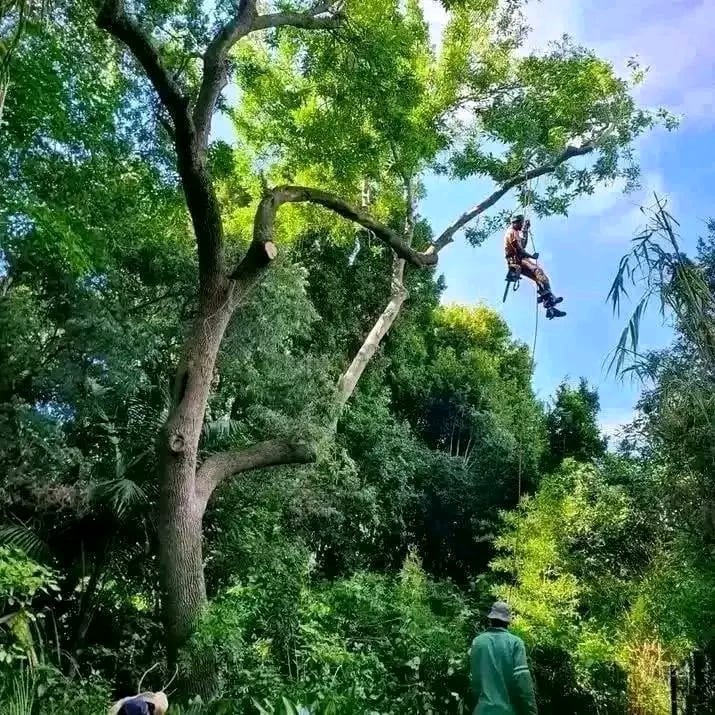
Tree Felling Services We Offer in Observatory
Full Tree Removal
Complete removal of any garden tree. Observatory’s older freehold properties, particularly those above the railway line near Rochester Road and the quieter residential pockets off Liesbeek Parkway, have mature trees that have been growing for 50 to 80 years. We fell, section, debranch, and remove all material from the site.
Sectional Dismantling
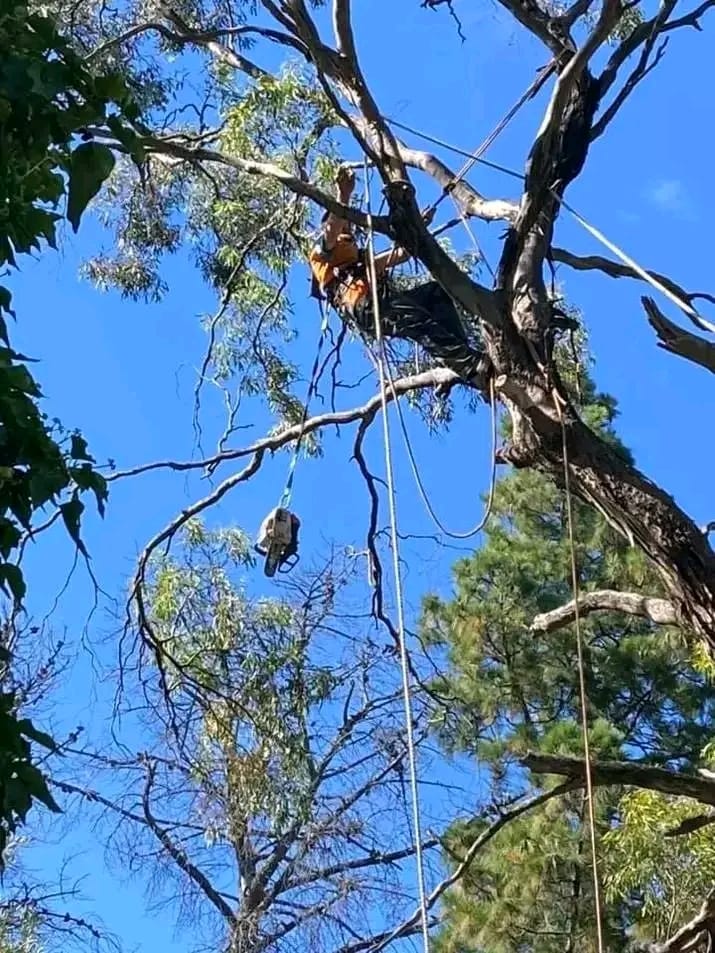
Observatory’s dense residential layout means most trees grow close to boundary walls, neighbouring properties, and rental units. Directional felling is rarely possible. We dismantle from the top down in controlled sections, lowering each piece safely. This is the standard method for tree removal on Obz freehold properties.
Palm Tree Removal
Palms on Observatory properties common in the front gardens of Victorian homes along Lower Main Road and on rental complexes occasionally need full removal when dead, diseased, or overhanging adjacent structures. Specialist rigging is required for safe sectional palm removal.
Stump Removal and Site Clearing
Stump removal in Observatory is available as an add-on after felling. Observatory’s compact properties benefit from full stump removal to reclaim garden space for paving, replanting, or maintenance access. Site clearing for renovation projects is also available.
Emergency Tree Felling
Obz’s wind exposure is one of the strongest of any inner-city southern suburbs location from both the north-westerly and the south-easterly. Trees that fail overnight after a wind event, particularly mature specimens on exposed properties, need a fast response. Call us directly for emergency tree removal, not queued behind routine jobs.
We also offer full tree care services in Cape Town.
Why Choose Lesley Tree Fellers?
Fully Insured & Safety Compliant
We operate with strict safety standards to protect your property and our crew.
Local Cape Town Specialists
We understand local tree species, soil conditions, and municipal considerations.
Advanced Rigging & Sectional Techniques
Every removal is controlled and calculated; there is no uncontrolled falling.
Clean & Complete Site Clearance
All debris removed unless requested otherwise.
Competitive, Transparent Pricing
No hidden costs. Free assessments available.
How Tree Felling Works in Observatory
Step 01
Site Risk Assessment
We visit the property to inspect tree height, species, structural condition, lean direction, and proximity to buildings, walls, and neighbouring properties. Observatory’s dense layout means access and method planning are done before any equipment arrives.
Step 02
Method selection
Open garden areas with clearance allow directional felling. Most Observatory jobs where properties share walls, driveways, or access routes require controlled sectional dismantling with rope systems. We select the method after the site visit, not before.
Step 03
Controlled removal
The tree is felled or dismantled in the agreed sequence. Each section is lowered safely. Equipment is positioned to avoid damage to paving, boundary walls, and garden features on Observatory’s typically compact properties.
Step 04
Full site clearance
All branches, sections, and trunk material are removed from your property. Stump grinding is available as an add-on; confirm when you book.
Why Observatory Trees Create Specific Felling Challenges
Observatory, affectionately known as Obz, is one of Cape Town’s most characterful suburbs and one of the more complex for tree felling. Its residents are an eclectic mix of academics, professionals, students, bohemian artists and young starter families, and the suburb’s property character reflects that diversity.
Wind exposure, the primary safety driver
Observatory sits in a position where winds from both directions reach the suburb without the buffering that mountain-sheltered suburbs enjoy. The south-easterly in summer and the north-westerly in winter both affect Observatory at full intensity. Trees on exposed garden slopes, rooftops, or beside boundary walls can fail suddenly during a wind event. This is not a theoretical risk; emergency felling after wind storms is a recurring service call in the suburb.
Mixed property character, compact gardens
There are Victorian and Edwardian houses along the main road, but the further away from the main road you go, the smaller the properties, so there’s an eclectic mix of large family homes and student digs. A mature tree in a compact Obz rental property garden pressed between boundary walls, neighbouring students, and an adjacent Lower Main Road entrance is a confined access challenge that requires methodical planning, not improvisation.
Student rental property demand
A significant portion of Observatory’s property stock is rental accommodation for UCT students and Groote Schuur Hospital staff. Landlords managing multiple units on Rochester Road, Kotzee Road, and the Liesbeek Parkway side streets need overgrown garden trees managed between leases, often quickly, before a new occupancy begins.
Liesbeek River adjacency
Observatory borders the Liesbeek River and its green belt corridor running toward Rondebosch Common. Properties adjacent to the river or the green belt have City of Cape Town considerations around vegetation near the watercourse; we identify these during the site assessment.
Tree Felling Cost in Observatory
Tree felling in Observatory is priced per job after a site assessment. The main factors are tree height, access constraints, species, and whether stump removal is included.
Observatory-specific factors that affect your quote:
- Compact garden access — equipment positioning in tight Obz rental properties
- Sectional dismantling requirements — most standard Observatory jobs require more time than open suburban felling
- Multiple trees at the same rental address are priced together for efficiency
- Palm removal — specialist rigging quoted separately
Stump removal is a separate add-on. Ask about this when you request your felling quote.
Tree Felling Permits in Observatory
Most private garden trees in Observatory can be removed without a permit. There are specific exceptions worth knowing.
Protected species
Trees protected under the National Forests Act may not be removed without a City of Cape Town permit. We identify these during the site assessment and advise you before any work begins.
Sidewalk trees
Trees on the verge or pavement in front of your Observatory property belong to the City of Cape Town. These require written permission from the Recreation and Parks Department before removal or significant pruning.
Liesbeek River watercourse
Properties directly adjacent to the Liesbeek River or the green belt may have additional City of Cape Town considerations for vegetation management near the watercourse. We advise on this during the site visit.
Request A Quote
A wind-exposed tree in a compact Observatory garden pressed against a boundary wall with a student rental unit next door is not a job where any available operator will do. It needs a correct method of planning and a team that knows the suburb.
Call or WhatsApp Lesley Tree Fellers to book your Observatory site assessment. We assess the tree, confirm any permit requirements, plan the method, and give you a clear quote before any cutting begins.
Areas We Cover Near Observatory
We service Observatory and the surrounding southern suburbs:
- Rosebank
- Mowbray
- Salt River
FAQ
Do I need a permit to fell a tree in Observatory?
Most private garden trees can be removed without a permit. Protected indigenous species require City of Cape Town authorisation. Sidewalk trees require Parks Department permission. Properties adjacent to the Liesbeek River may have additional watercourse considerations. We advise on all of these during the site assessment.
Can you fell trees in compact Observatory gardens next to student rental units?
Yes, this is a standard Observatory job type. Sectional dismantling from the top down is the correct method when directional felling is not possible due to adjacent walls, neighbouring tenants, or access road constraints. We plan equipment positioning before arriving on site.
How do you handle emergency tree felling in Observatory after a storm?
Call us directly. Observatory is fully exposed to both the north-westerly and the south-easterly wind events; tree damage here is not uncommon. We treat storm damage as a separate priority from routine bookings and respond to hazardous trees fast.
Can you fell trees near the Liesbeek River in Observatory?
Yes. Properties adjacent to the Liesbeek River or the green belt may have City of Cape Town watercourse considerations for vegetation management. We identify these during the site visit and advise on any consultation required before work begins.
Do you remove trees on student rental properties in Observatory?
Yes. We regularly work on rental properties in Observatory coordination with the landlord or property manager is straightforward. If you need work done between tenant occupancies, give us the timeline when you request a quote, and we will confirm availability.
Do you remove the debris and material from my Observatory property?
Yes. Full site clearance is standard. All branches, sections, and trunk material are removed from your property after felling. If you want timber kept for firewood, let us know when you book.
Is stump removal included in your Observatory tree felling quote?
Not automatically. We price felling and stump removal separately so you can decide independently. Combining both on the same visit is more efficient and cost-effective. Ask about this when requesting your Observatory quote.
 Chat with us